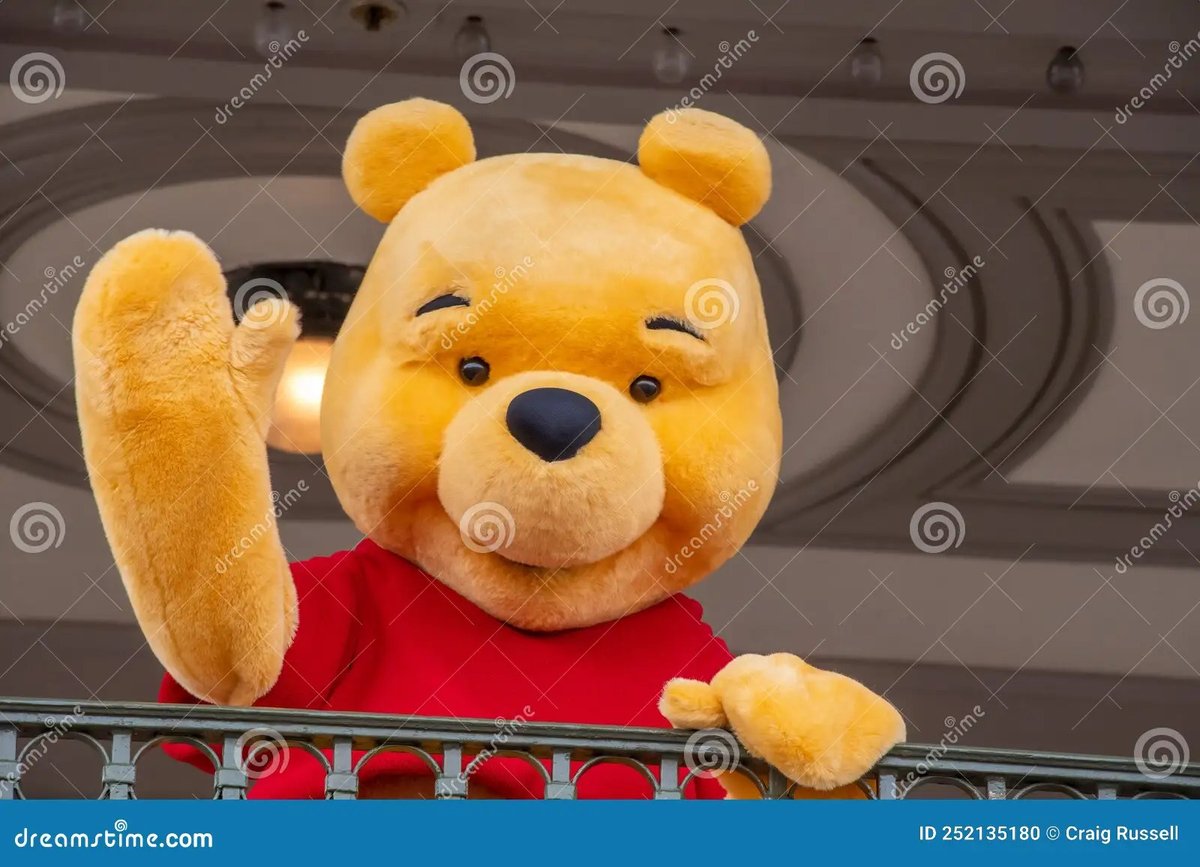
Few characters hold a place in our hearts quite like Winnie the Pooh. For generations, Disney's Winnie the Pooh adaptations have brought the simple, profound wisdom of A.A. Milne's Hundred Acre Wood to life, evolving significantly while safeguarding the beloved bear's gentle spirit. From humble animated shorts to full-length features and innovative television series, Pooh, Piglet, Tigger, Eeyore, and friends have navigated changing media landscapes, copyright complexities, and the challenge of remaining a global phenomenon.
But how does a franchise rooted in 1920s literature continue to capture the imaginations of new children while retaining its "love-mark" status with parents? It's a tale of careful adaptation, shrewd business, and an enduring emotional connection that transcends time.
At a Glance: Disney's Pooh Through the Years
- Origin Story: Disney's journey with Pooh began in 1966 with Winnie the Pooh and the Honey Tree.
- Voice of an Icon: Sterling Holloway first gave Pooh his distinctive voice, later followed by Hal Smith, with Jim Cummings taking over in 1988 and continuing to this day for both Pooh and Tigger.
- Global Powerhouse: By 2013, Pooh was the world's third best-selling franchise, with merchandise sales reaching $5.5 billion in 2003, second only to Mickey Mouse within Disney.
- Media Diversity: The franchise spans feature films, direct-to-video titles, shorts, and multiple television series, including live-action and CGI.
- Legal Labyrinth: Disney licensed film rights in 1961 but faced ongoing legal battles over merchandise rights, eventually acquiring more comprehensive rights from the Milne Trust but not entirely from Stephen Slesinger, Inc.
- Public Domain Nuances: The original 1926 Winnie-the-Pooh book entered the U.S. public domain in 2022, but Disney retains full ownership of its specific character designs and stories. Tigger followed in 2024.
- Modernizing the Hundred Acre Wood: Disney continually seeks ways to keep Pooh relevant to new audiences, sometimes introducing new characters like Darby or experimenting with new animation styles.
From Page to Screen: The Genesis of Disney's Pooh
The story of Disney's Winnie the Pooh adaptations isn't just about animation; it's about translating a literary treasure into a visual language. A.A. Milne's original Winnie-the-Pooh stories, illustrated by E.H. Shepard, were already beloved when Walt Disney first took an interest. What Disney saw was not just a bear of little brain, but a world rich with gentle humor, universal anxieties, and timeless friendships.
Disney acquired exclusive film rights from the Milne Estate/Trust in 1961, embarking on a creative journey to introduce Pooh to an American audience, many of whom might not have known the original books. The initial approach was to create featurettes, short films that could be paired with other Disney movies. This cautious strategy proved to be a stroke of genius.
The very first short, Winnie the Pooh and the Honey Tree, debuted in 1966. It immediately set the tone: soft pastel animation, charming songs, and voices that would become iconic. Sterling Holloway's warm, slightly melancholic voice defined Pooh, making him an instantly lovable figure. These early adaptations were faithful to Milne's spirit, capturing the quaint, introspective charm of the books while giving them a distinctly Disney feel.
The Voices That Defined a Bear (and Friends)
A character is often as memorable as the voice that brings them to life. For Disney's Winnie the Pooh adaptations, the vocal performances have been integral to their enduring appeal.
Sterling Holloway originated the voice of Pooh, imbuing him with a gentle, slightly naive innocence that audiences immediately embraced. His performances in the early shorts, like Winnie the Pooh and the Blustery Day (1968), remain benchmarks. After Holloway's passing, Hal Smith briefly took on the role in 1981, maintaining the character's established sound.
However, it was Jim Cummings, starting in 1988 with The New Adventures of Winnie the Pooh, who truly stepped into Holloway's very big shoes and made the role his own. Cummings not only captured the essence of Pooh but also brought a vibrant energy to Tigger, a role he also continues to voice. His ability to evoke both characters, sometimes even in the same conversation, is a testament to his talent and the careful stewardship of these beloved figures. Cummings' longevity in these roles has provided consistency and comfort to generations of fans, ensuring that the characters sound familiar and cherished.
Pooh's Reign: From Niche to Global Powerhouse
It's easy to underestimate the sheer scale of the Winnie the Pooh franchise. What began as a series of charming shorts grew into one of Disney's most commercially successful endeavors. By 2013, Winnie the Pooh wasn't just popular; it was the world's third best-selling franchise, only surpassed by juggernauts like Disney Princess and Star Wars. This isn't just about movie tickets; it's about the pervasive presence of Pooh in everyday life.
Consider the merchandise: in 2003 alone, global sales reached an astonishing $5.5 billion. Today, Pooh remains Disney's second best-selling character, just behind the venerable Mickey Mouse. Disney Publishing Worldwide, the largest children's book publisher globally, sells over 700 million Pooh-related products annually. These figures speak volumes about the character's universal appeal and Disney's prowess in marketing and distribution. The challenge for Disney, of course, is keeping this aging franchise fresh for new generations of children while maintaining its deep emotional connection with parents and grandparents who grew up with Pooh. It's a delicate balancing act of nostalgia and novelty, ensuring the essence of the Hundred Acre Wood remains timeless. To truly understand the enduring appeal, it's worth taking time to Explore the 100 Acre Wood in all its forms.
A Multifaceted Forest: Pooh Across All Media
The evolution of Disney's Winnie the Pooh adaptations is perhaps best illustrated by the sheer variety of media they've embraced. Pooh hasn't just starred in films; he's been a television icon, a direct-to-video sensation, and even a video game hero.
Feature Films: The Marquee Events
Disney's approach to Pooh on the big screen has varied. Initially, the early shorts were compiled to create The Many Adventures of Winnie the Pooh (1977), effectively a compilation film that stitched together Honey Tree, Blustery Day, and A Day for Eeyore.
Later, Disney produced original theatrical features:
- The Tigger Movie (2000): A heartwarming story focusing on Tigger's search for his family.
- Piglet's Big Movie (2003): Centering on the timid Piglet and his quiet heroism.
- Pooh's Heffalump Movie (2005): Introducing Lumpy the Heffalump, a new character challenging preconceptions.
- Winnie the Pooh (2011): A return to the classic hand-drawn animation style and a collection of new adventures.
- Christopher Robin (2018): A live-action, emotionally resonant film exploring an adult Christopher Robin's reunion with Pooh.
Each of these films attempted to refresh the franchise while staying true to its core. A new project is currently in development, hinting at Pooh's continued cinematic presence.
Direct-to-Video and Specials: Expanding the Narrative
Beyond theatrical releases, Disney heavily utilized the direct-to-video market and television specials to tell more stories. These often explored different holidays or expanded on existing character relationships:
- Pooh's Grand Adventure: The Search for Christopher Robin (1997)
- Winnie the Pooh: Seasons of Giving (1999)
- Winnie the Pooh: A Very Merry Pooh Year (2002)
- Pooh's Heffalump Halloween Movie (2005)
These offerings allowed for consistent new content, keeping the characters visible between major theatrical releases.
Television Shows: Pooh in Your Living Room
Television has been a crucial platform for Pooh's evolution, allowing for long-form storytelling and regular interaction with audiences.
- Welcome to Pooh Corner (1983-1986): A unique live-action series using full-body costumes, a significant departure from animation.
- The New Adventures of Winnie the Pooh (1988-1991): This Emmy-winning animated series brought Pooh into the homes of a new generation, featuring Jim Cummings' iconic voice.
- The Book of Pooh (2001-2003): Utilized puppetry and digital backdrops, a blend of traditional and new techniques.
- My Friends Tigger & Pooh (2007-2010): A significant modernization, this CGI-animated series introduced Darby, a 6-year-old girl and an active problem-solver in the Hundred Acre Wood, largely replacing Christopher Robin. This marked a deliberate effort to appeal to contemporary preschool audiences.
- Playdate with Winnie the Pooh (2023-Present) and Me & Winnie the Pooh (2023-Present): These newer, shorter-form series and vlogs represent Disney's ongoing efforts to adapt Pooh for digital-native children, often featuring simpler animation and direct engagement styles.
These diverse formats highlight Disney's continuous experimentation to keep Pooh relevant across different eras and viewing habits. The timeless appeal of the Hundred Acre Wood makes it a place worth revisiting, no matter the medium. You can always discover more about the Hundred Acre Wood and its inhabitants across these adaptations.
The Hundred Acre Wood's Tangled Roots: A Legal Primer
The journey of Disney's Winnie the Pooh adaptations isn't just a creative one; it's also a fascinating, and at times contentious, legal saga. The complexities surrounding the rights to Pooh bear significant weight on how the franchise can evolve.
A.A. Milne, the original author, licensed his rights broadly. In the U.S., Dutton publishers secured exclusive volume publication rights. Crucially, Stephen Slesinger, Inc. acquired "sole and exclusive rights for virtually all other uses" in 1930, including merchandise and media adaptations outside of book publishing. Slesinger even developed Pooh's distinctive non-book imagery, laying some groundwork for the visual style that Disney would later build upon.
Outside the U.S. and Canada, Milne's literary copyright rights were left to the Pooh Properties Trust. It was from this Trust that Disney licensed exclusive film rights in 1961. This created a dual-ownership situation: Disney held film rights, but Slesinger held merchandising and other media rights in the U.S.
This fragmented ownership led to protracted legal disputes. Around 2000, Disney reportedly paid approximately $300 million to the Pooh Properties Trust, both to acquire Milne's share of rights and to settle claims stemming from a 1991 lawsuit initiated by Stephen Slesinger, Inc.
However, the legal battles didn't end there. Following the 1998 Sonny Bono Copyright Term Extension Act, Disney attempted to terminate Stephen Slesinger, Inc.'s copyright rights. U.S. courts rejected Disney's claim, and the Supreme Court refused to hear the case in June 2006, firmly upholding Slesinger's rights. This meant that while Disney had substantial rights, Stephen Slesinger, Inc. retained significant control over merchandising and certain other uses derived from Milne's original works in the U.S. This historical context illuminates why Disney's adaptations are so meticulously managed.
Navigating the Public Domain: What Disney Retains
A common misconception arose when the original 1926 Winnie-the-Pooh book entered the U.S. public domain on January 1, 2022. Many assumed this meant Disney lost all control over Pooh. This isn't quite accurate, and understanding the nuances is key.
Here's the distinction:
- A.A. Milne's Original Works (Pre-1926/1928): The literary text and E.H. Shepard's illustrations from the first book (1926) are now free for anyone to adapt in the U.S. This is why you might see new, sometimes unsettling, interpretations of Pooh pop up, such as horror films. Tigger, who debuted in the 1928 book The House at Pooh Corner, entered the public domain in 2024.
- Disney's Specific Iterations: Disney retains total ownership of its distinct animated characters, their designs, voices, and the specific stories told in their films and shows. This includes Pooh's red shirt (he didn't wear one in the original books), his distinct animated facial expressions, Jim Cummings' voice, and all the plotlines created by Disney.
So, while anyone can now create a new story featuring a bear named Winnie the Pooh who loves honey, they cannot use Disney's copyrighted visual style, character traits, or any elements that originated specifically with Disney's adaptations. This means Disney can continue to create and monetize its version of the Hundred Acre Wood, secure in its established brand identity. It's a complex, but important, detail in the enduring legacy of Pooh's Hundred Acre Wood.
Keeping the Honey Pot Full: Disney's Strategy for Relevance
How does a nearly century-old literary character remain a top earner and a beloved figure for new generations? Disney's strategy for its Winnie the Pooh adaptations is a masterclass in balancing tradition with innovation.
1. Character Evolution (and Introduction):
One key approach is to subtly evolve characters or introduce new ones to reflect changing societal norms or appeal to new demographics. The introduction of Darby, a spirited 6-year-old girl, in My Friends Tigger & Pooh (2007) was a deliberate move to replace Christopher Robin as the primary human companion, aiming to connect with contemporary preschool girls. While Christopher Robin returned in the live-action film, Darby's introduction showcased Disney's willingness to experiment with the core dynamic of the Hundred Acre Wood.
2. Diversifying Storytelling & Format:
From the hand-drawn beauty of Winnie the Pooh (2011) that harked back to classic animation, to the CGI of My Friends Tigger & Pooh, and the intimate vlog-style shorts like Me & Winnie the Pooh, Disney continually adapts the medium to the message and the audience. This willingness to explore different animation styles, narrative structures, and even interactive elements (like video games) ensures Pooh remains accessible and engaging across a broad spectrum of viewing habits.
3. Emotional Resonance & Timeless Themes:
At the heart of Pooh's enduring appeal are themes that never age: friendship, kindness, honesty, and the simple joys of life. Disney consistently reinforces these core values in its adaptations. Even when modernizing the look or adding new characters, the spirit of camaraderie in the Hundred Acre Wood remains sacrosanct. The stories are gentle, providing a safe and comforting space for children and adults alike. These are the qualities that allow generations to find comfort in the Hundred Acre Wood.
4. Merchandise and Brand Consistency:
With Pooh being Disney's second best-selling character, merchandise is paramount. Disney maintains strict control over its brand image, ensuring that Pooh products consistently reflect the characters' wholesome, gentle nature. This creates a cohesive brand experience that extends from screens to toys, apparel, and books, reinforcing the character's positive association.
5. Nostalgia as a Bridge:
While aiming for new children, Disney never forgets the parents and grandparents. Films like Christopher Robin (2018) were explicitly designed to tap into adult nostalgia, allowing grown-up fans to reconnect with the characters they loved as children. This intergenerational appeal ensures that Pooh remains a "love-mark"—a brand deeply cherished and passed down through families.
The Future of Pooh: Beyond the Hundred Acre Wood
Disney's Winnie the Pooh adaptations have demonstrated an incredible capacity for reinvention and longevity. As we look ahead, the challenge for Disney will remain the same: how to keep Pooh a relevant, comforting, and commercially viable character in an ever-changing media landscape.
Expect to see continued experimentation with animation styles, perhaps more interactive digital experiences, and further exploration of diverse storytelling formats. The public domain status of Milne's original works will undoubtedly lead to a wider, wilder array of non-Disney Pooh content, which might even, in a strange way, highlight the unique quality and consistent tone of Disney's own meticulously crafted adaptations.
Ultimately, Winnie the Pooh endures because his stories are simple, yet profound. They remind us of the value of friendship, the comfort of routine, and the beauty in the small moments of life. These universal truths, expertly woven into Disney's adaptations for over half a century, ensure that Pooh Bear and his friends from the Hundred Acre Wood will continue to find their way into the hearts of audiences for many years to come. No matter the format, the essence of the Hundred Acre Wood remains a cherished constant.