Step into a world where honey pots are currency, friendships are steadfast, and adventures lurk around every corner of a charming English forest. For generations, the Original Winnie the Pooh Books by A.A. Milne have invited readers into the whimsical Hundred Acre Wood, fostering a sense of warmth, innocence, and enduring companionship that remains as potent today as it was nearly a century ago. These tales aren't just stories; they're literary touchstones, shaping childhoods and offering comfort to adults seeking a gentle escape.
More than simple fables, Milne's Pooh books — beautifully brought to life by E.H. Shepard’s iconic illustrations — delve into the simple yet profound dynamics of friendship, imagination, and the quiet joys of everyday life. They remind us that the greatest adventures often begin in our own backyards, or in this case, a beloved teddy bear's imagination.
At a Glance: What Makes Milne's Pooh Books So Special
- Two Core Story Collections: The universe begins with Winnie-the-Pooh (1926) and is completed by The House at Pooh Corner (1928).
- Inspired by Real Life: The characters and setting were directly inspired by A.A. Milne's son, Christopher Robin Milne, and his collection of stuffed animals.
- Iconic Illustrations: E.H. Shepard’s drawings are inextricably linked to the Pooh stories, capturing their gentle spirit perfectly.
- Timeless Themes: Explore friendship, loyalty, problem-solving, and the innocence of childhood.
- Global Phenomenon: Translated into over 72 languages, including the famous Latin edition Winnie ille Pu.
- Literary Acclaim: Universally praised and consistently ranked among the greatest children's books of all time.
The Enduring Magic of the Hundred Acre Wood
There's something uniquely comforting about returning to the Hundred Acre Wood. It’s a place of gentle rhythms, where the biggest crisis might be a missing tail or a forgotten birthday, and every problem is eventually solved through teamwork and a liberal dose of friendship. This idyllic setting, a haven from the complexities of the adult world, is perhaps the secret to the books' lasting appeal. It’s an Arcadia, a nostalgic portrayal of an innocent world that offers solace across generations.
Milne's genius lies not just in creating memorable characters, but in crafting narratives that resonate with both children and adults. Children delight in the simple adventures, the talking animals, and the straightforward solutions. Adults, meanwhile, appreciate the subtle humor, the tender observations on human (or rather, bear, piglet, and donkey) nature, and the poignant undertones of fleeting childhood. It’s a world that invites repeated visits, a literary home we can always return to when the modern world feels a little too loud. To truly understand the heart of these stories, you simply must Explore the 100 Acre Wood for yourself.
Meet the Creator and His Muse: A.A. Milne and Christopher Robin
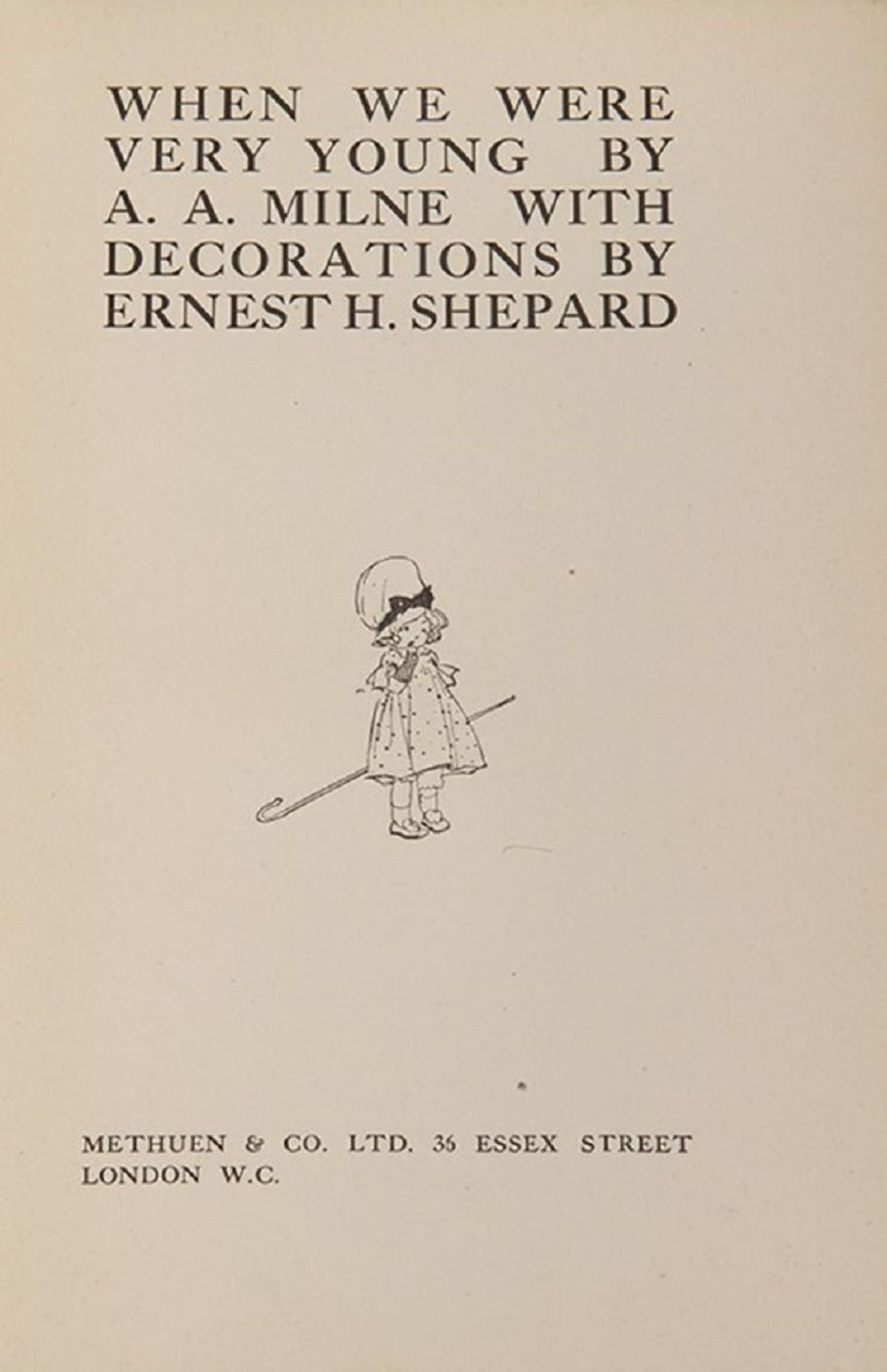
The magic of Winnie-the-Pooh began not in a fantastical realm, but in a very real English home, sparked by the imagination of a father observing his son. Alan Alexander Milne (A.A. Milne), an acclaimed English author, playwright, and poet, had already found success with his poetry collection When We Were Very Young (1924), illustrated by Ernest H. Shepard. This collaboration laid the groundwork for the world-renowned Pooh stories.
The true inspiration, however, came from Milne's son, Christopher Robin Milne, and his beloved collection of stuffed animals. These toys—a teddy bear, a piglet, a donkey, a tiger, and a kangaroo with her baby—became the real-life counterparts to Pooh, Piglet, Eeyore, Tigger (who appears in the second book), Kanga, and Roo.
The name "Winnie" came from a real bear, a Canadian black bear named Winnie who was a popular attraction at the London Zoo. She had been left in the care of the zoo by a Canadian lieutenant on his way to World War I, and Christopher Robin himself was very fond of her. The "Pooh" part of the name came from a swan that Christopher Robin had named in the earlier poetry collection, When We Were Very Young.
E.H. Shepard, a gifted illustrator and friend of Milne's, perfectly captured the essence of these characters and their world. His delicate, evocative line drawings became inseparable from Milne's text, rendering the characters and the Hundred Acre Wood with a warmth and personality that is instantly recognizable and deeply cherished. Without Shepard's visual poetry, the Pooh books would undoubtedly still be beloved, but they wouldn't possess the same iconic resonance.
The Core Collection: Winnie-the-Pooh and The House at Pooh Corner
While many associate Winnie the Pooh with a vast array of media, the original literary foundation rests firmly on two primary story collections by A.A. Milne. These are the books that introduced the world to the "bear of very little brain" and his loyal companions.
Winnie-the-Pooh (1926)
Published on October 14, 1926, by Methuen & Co. in England and E. P. Dutton in the United States, Winnie-the-Pooh was an immediate sensation. It captivated both critics and the public, selling an astounding 150,000 copies by the end of that year alone, quickly becoming Milne's best-selling work. Its success was a testament to its charm and the universal appeal of its characters.
The book is structured as a collection of ten independent short stories, each a self-contained adventure. While the stories can be read in any order, they collectively build the world of the Hundred Acre Wood and deepen our understanding of its inhabitants. They are tales of simple joys, minor dilemmas, and the unwavering bond of friendship.
The House at Pooh Corner (1928)
Two years after the first book's triumph, Milne delivered the much-anticipated sequel, The House at Pooh Corner. This book further fleshed out the Pooh universe, most notably introducing the energetic, bouncy character of Tigger. While Tigger has become one of the most recognizable Pooh characters today, it’s often a surprise to new readers to learn he doesn’t appear in the very first book.
Together, these two books form the complete narrative arc of Milne's original vision, from Pooh's first introduction to the poignant farewells as Christopher Robin prepares for school. They are the essential texts for anyone wishing to experience Winnie-the-Pooh in his purest, most original form.
Unpacking the Original Winnie-the-Pooh Stories: A Chapter-by-Chapter Guide
The 1926 Winnie-the-Pooh book contains ten distinct adventures that set the stage for all future explorations of the Hundred Acre Wood. Each chapter offers a delightful glimpse into the lives of Pooh and his friends, showcasing their personalities and the gentle humor of their world.
Here’s a breakdown of the original stories, perfect for revisiting or for guiding a new generation through these beloved tales:
- In Which We Are Introduced to Winnie-the-Pooh and Some Bees, and the Stories Begin: Pooh's insatiable love for honey leads him on a clumsy adventure involving a blue balloon, a muddy puddle, and a rather convincing disguise as a small black cloud. It's a perfect introduction to Pooh's endearing "bear of very little brain" persona.
- In Which Pooh Goes Visiting and Gets Into a Tight Place: Pooh's generosity and appetite are put to the test when he accepts Rabbit's invitation for a smackerel of honey and condensed milk. After eating too much, he finds himself firmly stuck in Rabbit's front door, requiring the collective effort (and patience) of his friends to extricate him.
- In Which Pooh and Piglet Go Hunting and Nearly Catch a Woozle: A snowy day turns into a comical quest when Pooh and Piglet discover a mysterious set of tracks. Convinced they are tracking a formidable "Woozle," they follow the ever-multiplying footsteps around a spinney, only for Christopher Robin to gently reveal the amusing truth.
- In Which Eeyore Loses a Tail and Pooh Finds One: Poor Eeyore is perpetually gloomy, made even more so by the loss of his tail. Pooh, ever the helpful friend, sets out to find it, only to discover the missing appendage serving a rather unexpected purpose at Owl's house. It's a heartwarming tale of simple kindness.
- In Which Piglet Meets a Heffalump: The friends are terrified of the mythical "Heffalump." Pooh and Piglet decide to dig a cunning trap to catch one, but things go hilariously awry when Pooh, seeking a midnight snack, gets stuck in his own creation. It’s a wonderful exploration of fear of the unknown and silly misunderstandings.
- In Which Eeyore Has a Birthday and Gets Two Presents: It's Eeyore's birthday, and no one seems to remember! Pooh and Piglet, realizing their oversight, scramble to find presents. Pooh brings an empty honey pot, and Piglet brings a popped balloon—gifts that, through a touching display of Eeyore's simple appreciation, become surprisingly perfect.
- In Which Kanga and Baby Roo Come to the Forest, and Piglet Has a Bath: The arrival of Kanga and her joey, Roo, disrupts the peaceful forest. Rabbit, fearing the new arrivals, hatches a clumsy plan to kidnap Roo, hoping to make Kanga leave. Kanga, however, proves to be much smarter than the others give her credit for, subtly teaching them a lesson in acceptance.
- In Which Christopher Robin Leads an Expotition to the North Pole: Christopher Robin declares an "Expotition" to find the North Pole, and all the friends join in. The journey is filled with Pooh's characteristic musings and Eeyore's pessimism, culminating in Pooh discovering the North Pole—a simple stick—and thus saving Roo from a perilous situation.
- In Which Piglet Is Entirely Surrounded by Water: A massive flood threatens Piglet's house. Pooh, initially unconcerned as he floats around in his honey pots, eventually realizes Piglet's predicament. This chapter sets up the heroic rescue that follows, demonstrating Pooh's innate goodness.
- In Which Christopher Robin Gives Pooh a Party, and We Say Goodbye: Following the flood, Christopher Robin organizes a party to celebrate Pooh's cleverness in rescuing Piglet. It's a joyous occasion, filled with food and friendship, bringing the collection of stories to a warm, satisfying close and highlighting the strong bonds within their community.
More Than Just Bears and Bees: Themes and Legacy
Beyond the delightful characters and charming plots, the original Winnie the Pooh books offer a rich tapestry of themes that contribute to their lasting impact. Critics often point to the Hundred Acre Wood as a rural Arcadia, a pastoral retreat separated from the harsh realities of the world. This sense of an innocent, unchanging world offers a powerful nostalgic pull, both for children experiencing it for the first time and for adults looking back at simpler times.
The books subtly explore concepts of:
- Friendship and Loyalty: At its core, the Pooh stories celebrate the unwavering bonds between diverse personalities, showing how mutual support and affection overcome differences.
- Simple Joys: From a smackerel of honey to a quiet walk, the stories emphasize finding contentment in small, everyday pleasures.
- Problem-Solving (and Not-So-Clever Solutions): The characters often bumble their way through dilemmas, showcasing that effort and camaraderie are often more important than pure intellect.
- Individuality: Each character, from Eeyore's melancholy to Tigger's exuberance, is celebrated for who they are.
While largely lauded, the books have also faced some modern critical analysis. Later criticism has been directed at the lack of positive female characters, with Kanga sometimes depicted as a "bad mother" due to her initial strictness with Roo and her slightly more formidable presence compared to the male characters. However, many also see Kanga as a strong, capable mother figure who ultimately outsmarts Rabbit and helps the community.
Despite these later interpretations, the original Winnie the Pooh books consistently rank among the most beloved children's literature. In 2003, Winnie-the-Pooh ranked #7 on the BBC's "The Big Read" survey, and in 2012, it secured the #26 spot on School Library Journal's list of top 100 children's novels. This enduring popularity underscores their universal appeal and profound cultural significance.
The Pooh Universe Expands: Translations, Sequels, and Enduring Art
The influence of A.A. Milne and E.H. Shepard's creation quickly transcended its English origins, leading to a vibrant legacy that includes global translations, authorized sequels, and the remarkable value of its original artwork.
Pooh Goes Global: Translations and Cultural Adaptations
The universal themes of friendship and innocence ensured Pooh's tales resonated across cultures. Winnie-the-Pooh has been translated into over 72 languages, allowing children (and adults) worldwide to experience the Hundred Acre Wood. Perhaps the most famous translation is the 1958 Latin version, Winnie ille Pu. Remarkably, this book became the first foreign-language book, and indeed the only Latin book, ever to be featured on the New York Times Best Seller List in 1960—a testament to its unique charm and the cultural cachet of the original stories.
Other notable translations include the popular 1938 Polish cultural adaptation, Kubuś Puchatek, by Irena Tuwim, which became a beloved classic in its own right. However, a later 1986 faithful translation by Monika Adamczyk-Garbowska, titled Fredzia Phi-Phi, received criticism for its perceived clinical fidelity over poetic adaptation. These varying translations highlight the challenge of capturing Milne's nuanced prose and Shepard's illustrative spirit in different linguistic and cultural contexts.
Continuing the Legacy: Authorized Sequels
While Milne himself penned only the two original story collections, the desire for new adventures in the Hundred Acre Wood led to authorized continuations.
- Return to the Hundred Acre Wood (2009) by David Benedictus, with illustrations by Mark Burgess, picked up the narrative thread, introducing a new character, Lottie the Otter.
- The Best Bear in All The World (2016) was another authorized sequel, featuring stories by four different authors, celebrating Pooh's 90th anniversary.
These sequels aim to capture the original spirit while offering fresh perspectives for new generations of readers.
The Value of Original Art
The iconic illustrations by E.H. Shepard are not just beautiful; they are highly prized works of art. The enduring appeal of the Pooh books has translated into significant value for their original artwork. In 2018, for instance, a collection of five original works by Shepard, depicting scenes from the books, sold for a staggering £917,500. This included a treasured map of the Hundred Acre Wood, which alone fetched £430,000, demonstrating the deep emotional and financial investment people have in these beloved tales. The map of the Hundred Acre Wood is, in many ways, the blueprint for the very world that countless readers love to Explore the 100 Acre Wood within their imaginations.
Pooh Beyond the Books: Disney and the Public Domain
The charm of Winnie-the-Pooh extends far beyond the printed page, evolving into a global phenomenon through various adaptations, most notably the Disney franchise, and more recently, entering the public domain.
The Disney Transformation
The Walt Disney Company licensed the rights to Winnie-the-Pooh characters in the 1960s, embarking on a journey that would forever alter Pooh's visual identity for millions. The first Disney cartoon featurette, Winnie the Pooh and the Honey Tree, debuted on February 4, 1966. Disney's adaptation introduced several iconic elements, including the now-famous "red shirt Pooh" design, originally conceived by Stephen Slesinger, who had acquired merchandising rights from Milne in 1930. The Disney versions, while differing in tone and style from Milne's original, brought the characters to a much wider, global audience through animation, films, and vast merchandising. They offered a brighter, more overtly comedic take on the Hundred Acre Wood, cementing Pooh's place as one of the most recognizable characters in popular culture.
Other Adaptations
While Disney's version is dominant in the West, other cultures have created their own beloved adaptations. Notably, Russian-language animated films also adapted parts of the book, offering a distinct visual and narrative interpretation that remains popular in Eastern Europe. These adaptations, each with its unique flavor, attest to the universal appeal and adaptability of Milne's original stories.
The Public Domain and Its Implications
In the United States, A.A. Milne's Winnie-the-Pooh (1926) entered the public domain on January 1, 2022. This legal shift means that the original book, its characters, and plots are now freely available for anyone to use, adapt, or build upon without needing to secure permission or pay royalties to the Milne estate. This only applies to the elements found in the first book. Characters like Tigger, introduced in The House at Pooh Corner (1928), will enter the public domain in the U.S. in 2024. The distinctive "red shirt Pooh" design and other Disney-specific elements remain under copyright by the Walt Disney Company.
This transition has already led to some unexpected interpretations. In 2023, the horror film Winnie-the-Pooh: Blood and Honey was released, a direct result of the original book entering the public domain. This stark departure from the gentle world of Milne highlights both the freedoms and potential controversies that come with a beloved work entering the public domain.
Internationally, copyright laws vary. In Canada, the book entered the public domain in 2007. In the United Kingdom, the text copyright for Winnie-the-Pooh is set to expire on January 1, 2027 (70 years after Milne's death), while E.H. Shepard's illustration copyright will expire on January 1, 2047 (70 years after Shepard's death).
Navigating the Hundred Acre Wood Today: What to Look For
With so many versions of Winnie the Pooh available, from classic editions to modern retellings and Disney tie-ins, how do you find the true Original Winnie the Pooh Books by A.A. Milne? It's simpler than you might think, but a few pointers can ensure you're getting the authentic experience.
When seeking out Milne's original stories, prioritize these elements:
- Author and Illustrator: Always look for A.A. Milne as the author and E.H. Shepard as the illustrator. Their names together guarantee you're getting the original text and its iconic artwork.
- Titles: The two core storybooks are Winnie-the-Pooh (1926) and The House at Pooh Corner (1928). Milne also wrote two poetry collections, When We Were Very Young (1924) and Now We Are Six (1927), which feature Pooh and Christopher Robin in verse.
- Illustrations: Shepard's original illustrations are characteristically line drawings, often in black and white, with subtle, delicate details. While some modern editions might colorize these, the pure line art is closest to the original vision.
- Avoid Disney Branding (for original experience): If your goal is to read Milne's original prose, steer clear of books prominently featuring "Disney Winnie the Pooh" branding or images of the red-shirted, more cartoony Pooh. These are adaptations, not the source material.
- Publication Dates: While you might not find a 1926 first edition, check for editions that explicitly state "Original Text" or "Unabridged" and reference the original publication dates.
Many publishers still produce beautiful editions of the original Milne and Shepard books. These are often the best choice for new readers or those wishing to revisit the authentic Hundred Acre Wood, a place where imagination reigns supreme and friendships are forever.
Frequently Asked Questions About Pooh's Origins
You've got questions about the original bear and his friends? We've got answers.
How many original Winnie the Pooh books are there?
There are two original story collections by A.A. Milne: Winnie-the-Pooh (published in 1926) and The House at Pooh Corner (published in 1928). Milne also wrote two poetry collections, When We Were Very Young (1924) and Now We Are Six (1927), which feature Pooh, Christopher Robin, and other characters, but these are poetry, not narrative stories.
Who illustrated the original Winnie the Pooh books?
The original Winnie the Pooh books were illustrated by E.H. Shepard. His iconic black-and-white line drawings are an inseparable part of the beloved stories and perfectly capture the whimsy and warmth of Milne's prose.
When did Winnie the Pooh enter the public domain?
In the United States, the original book Winnie-the-Pooh (1926) entered the public domain on January 1, 2022. This means the original text and characters from that first book can be freely used. Characters introduced in the second book, like Tigger, will enter the public domain later. Copyright laws vary by country; for example, it entered the public domain in Canada in 2007.
What are the names of all the original Pooh characters?
The main characters in the original Winnie-the-Pooh (1926) book are Winnie-the-Pooh, Christopher Robin, Piglet, Eeyore, Owl, Rabbit, Kanga, and Roo. Tigger is famously introduced later, in the second book, The House at Pooh Corner (1928).
Were Winnie the Pooh and his friends based on real toys?
Yes, they were! Most of the characters were inspired by A.A. Milne's son, Christopher Robin Milne's, stuffed animal toys. Winnie came from a real bear at the London Zoo, and "Pooh" came from a swan Christopher Robin had named in one of Milne's earlier poetry books.
Rediscover the Hundred Acre Wood
The Original Winnie the Pooh Books by A.A. Milne are more than just children's stories; they are a timeless testament to the power of imagination, the simplicity of friendship, and the enduring magic of childhood. They offer a rare blend of humor, tenderness, and gentle wisdom that continues to captivate readers of all ages.
Whether you're introducing these cherished tales to a new generation or simply seeking a comforting return to a beloved literary landscape, the authentic prose of Milne and the unforgettable illustrations of Shepard promise an experience that is both profoundly nostalgic and perpetually fresh. So, take a moment, find a quiet corner, and allow yourself to be transported back to the Hundred Acre Wood, where every day is an adventure, and every friend is a treasure.